14 Budget-Friendly Backyard Wedding Ideas That Look Expensive
A backyard wedding offers unique architectural advantages that traditional venues often lack: open sky, mature trees, and flexible ground space. The challenge is leveraging these features without relying on expensive rentals or temporary structures. These fourteen ideas focus on realistic setups that maximize natural light and existing landscape elements. From defining ceremony spaces with paver circles to using tree canopies for shaded dining, each concept prioritizes visual impact over material abundance. Whether you are planning a small intimate gathering or a larger reception, these strategies help you achieve a polished, editorial look by working with your venue’s specific assets rather than against them.
1. Barefoot Ceremony on a Paver Circle
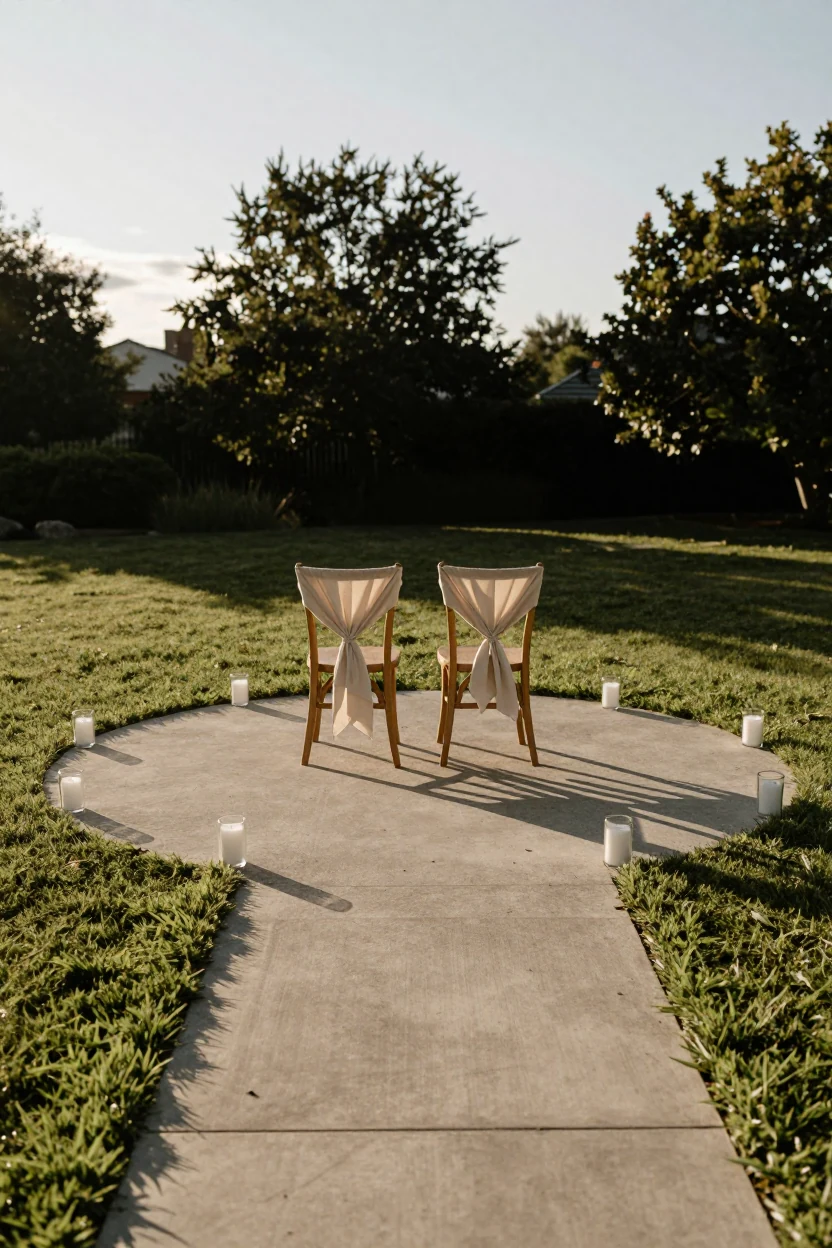
Transform a flat lawn into a defined ritual space by arranging a circular pattern of clean concrete pavers directly on the grass. This layout eliminates the need for an aisle runner or heavy tenting, allowing the natural landscape to remain the primary backdrop. At the focal point, position two simple wooden chairs tied with neutral linen sashes to mark the union spot. Line the perimeter of the paver circle with low-profile white taper candles in clear glass jars, ensuring they are stable and away from high-traffic paths. The late afternoon sun casts long shadows across the textured stone, creating a warm, grounded atmosphere without requiring expensive floral installations. This minimalist approach works best when the grass is freshly mowed and the pavers are pressure-washed to remove dirt. Guests can stand on the surrounding turf, keeping the central circle clear for photography and movement. Swap the taper candles for battery-operated LED versions if wind is a concern or if local fire codes restrict open flames near vegetation. This setup costs significantly less than renting a wooden arch or purchasing synthetic aisle runners, offering a sophisticated look through geometry and negative space rather than material abundance.
2. Long Table Beneath a Tree Canopy
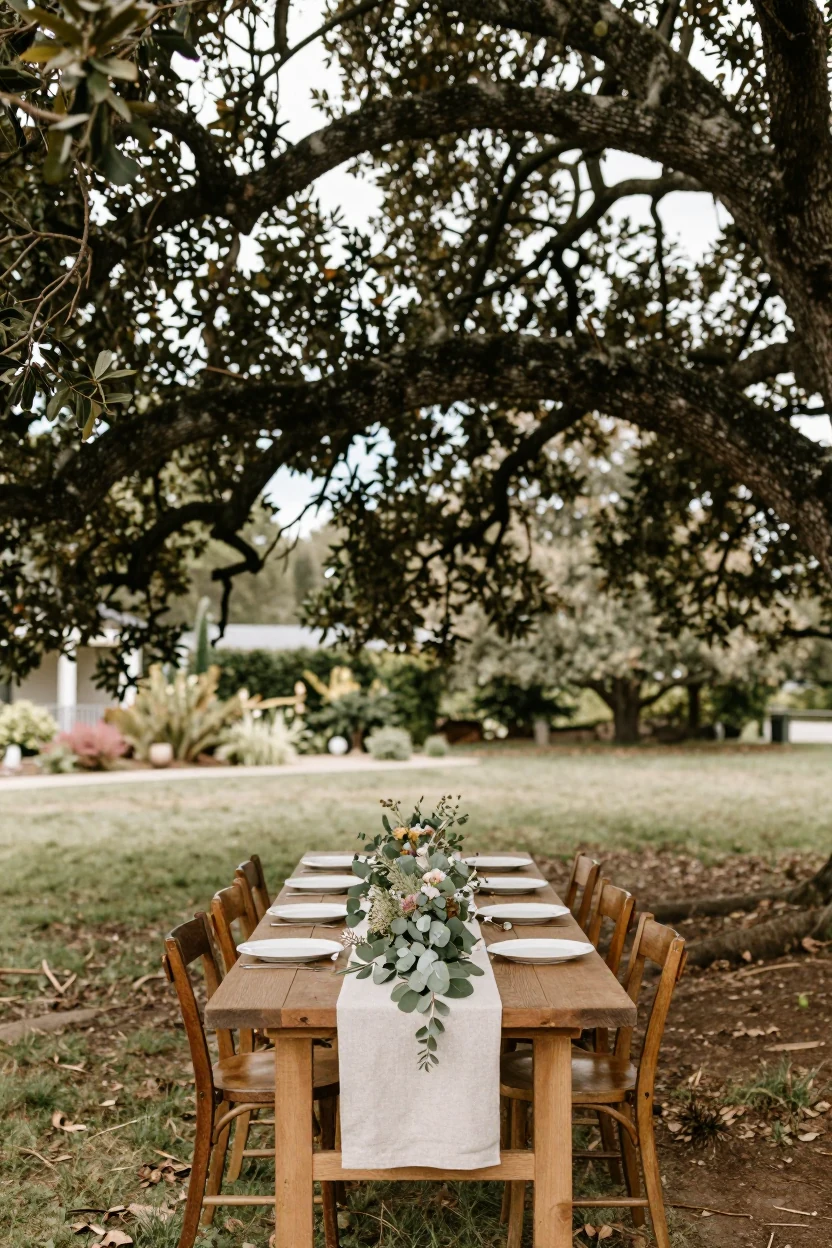
Skip the expensive tent rental by positioning a long rectangular table directly under a mature tree’s sprawling branches. This setup uses natural foliage as a ceiling, creating a shaded, organic dining space that feels curated rather than constructed. Style the table with a textured burlap or linen runner to ground the look, paired with simple white dinnerware for contrast. A continuous line of low greenery and seasonal wildflowers runs down the center, keeping the view open. The high overhead leaves filter the sunlight, casting dappled shadows across the setting. This approach works well for late spring through summer weddings in established backyards. If your tree is smaller, consider a pergola with climbing vines to mimic the canopy effect. Ensure the ground beneath is clear of roots and debris to keep the area safe for guests to move around comfortably.
3. String Light Canopy Over Patio Pavers
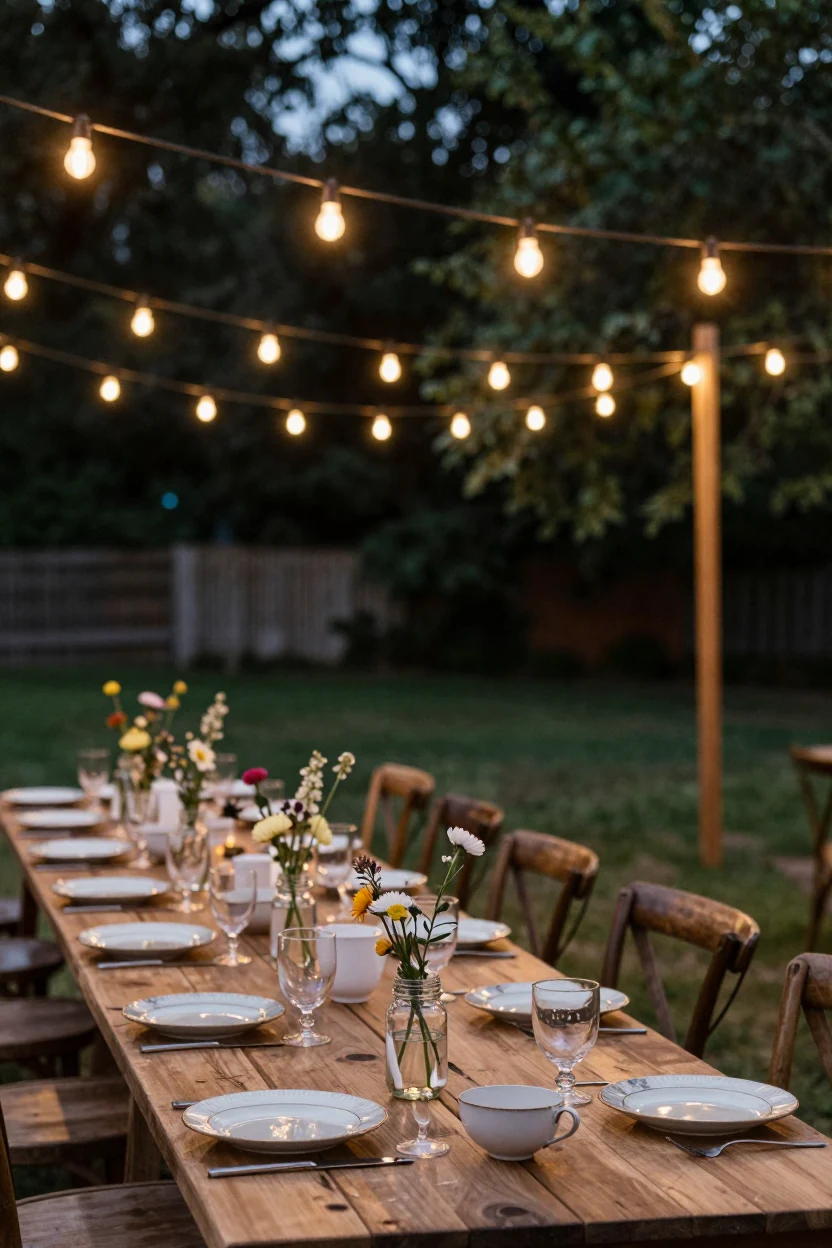
Transform a flat, unshaded backyard patch by rigging a grid of bistro string lights between sturdy stakes or nearby trees. This creates a warm, glowing ceiling that serves as the visual anchor for an evening reception. Keep the table setting understated to let the lighting remain the hero. Use white mason jar centerpieces with single stems and mismatched vintage china plates. The low-profile decor prevents visual competition with the overhead illumination. This setup works best for spring or fall evenings, providing ambient warmth without the expense of professional uplighting. Ensure all electrical connections are weather-rated and secured safely above guest circulation paths. If trees are unavailable, use heavy-duty steel stakes anchored in concrete blocks for stability. The resulting scene feels intimate and curated, proving that strategic lighting can define a space more effectively than expensive furniture.
4. Pallet Wood Plank Table Tops
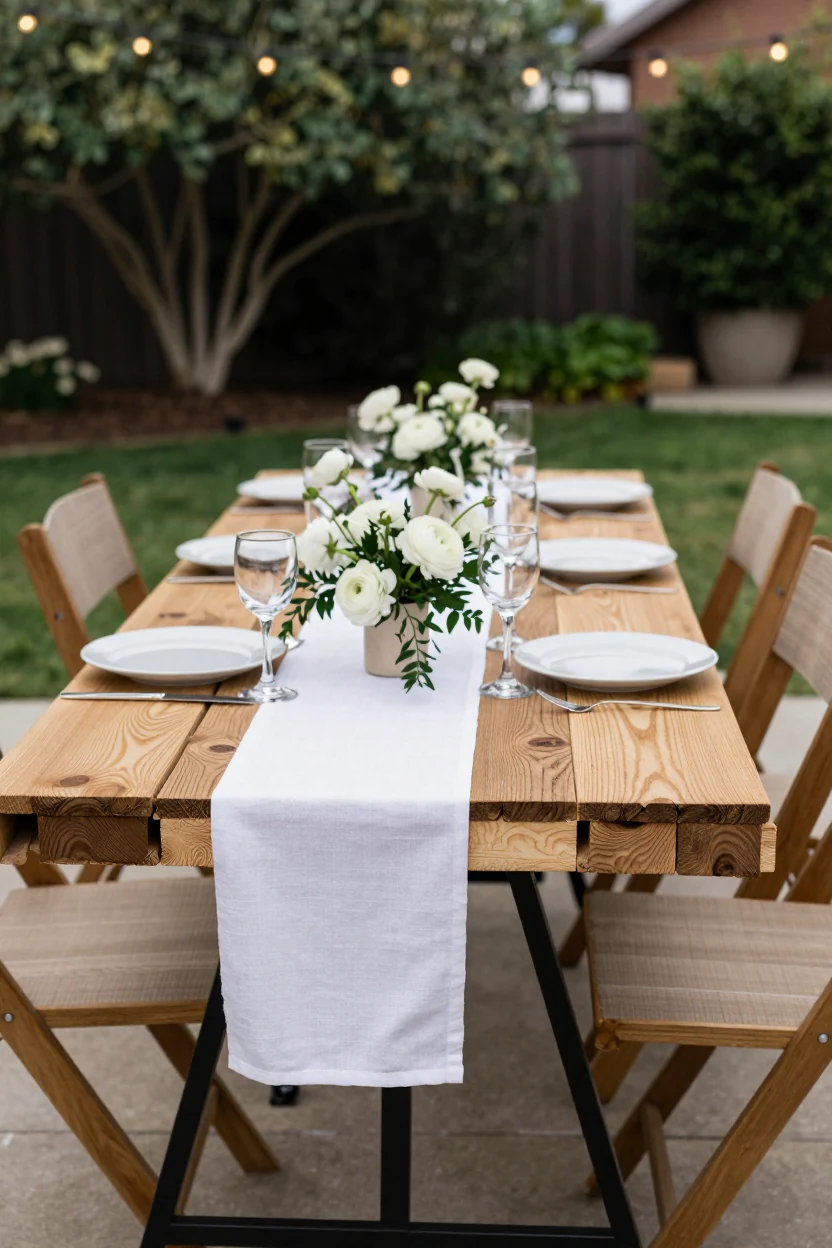
Transform standard folding tables into custom banquet furniture using reclaimed pallet wood planks. Sand the timber smooth to remove splinters and apply a food-safe sealant for durability. Lay the warm, textured wood across table tops covered in crisp white linen to create a striking contrast. This rustic surface pairs well with minimalist clear glassware, simple ceramic plates, and low-profile floral arrangements featuring white ranunculus or eucalyptus. The setup works best when chairs are kept neutral, such as black Chiavari or plain wooden options, ensuring the table remains the visual anchor. Keep the aesthetic modern-chic by avoiding additional rustic props like burlap or twine. This approach adds tactile warmth and unique grain patterns without the expense of custom-built tables, offering a grounded, organic look that feels curated rather than manufactured.
5. Potted Herb Garden Centerpieces
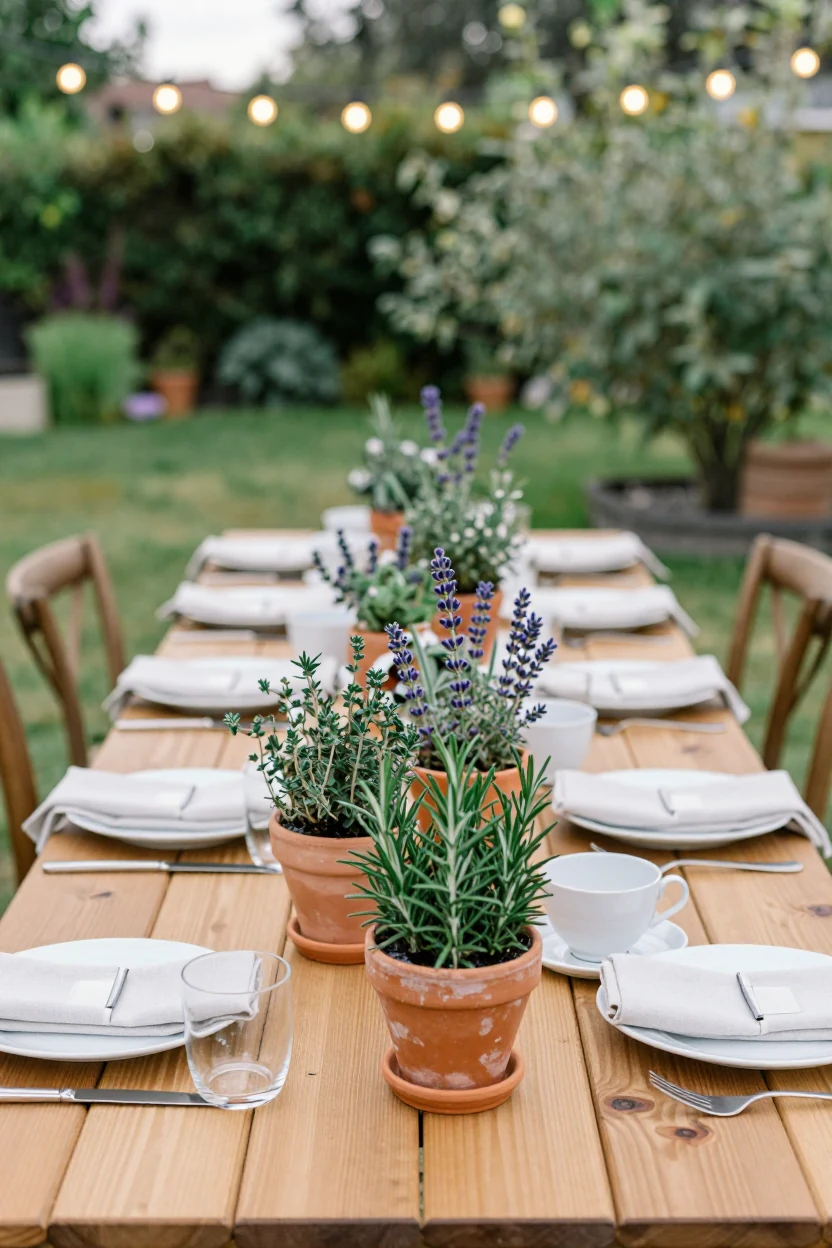
Swap traditional floral centerpieces for living herbs planted in small terracotta pots or vintage teacups. This setup offers a fresh, aromatic focal point that remains durable throughout the reception without wilting. The natural greenery pairs well with earthy table settings, creating a cohesive garden aesthetic. Guests can take their specific pot home as a personalized favor, eliminating the need for separate gift boxes. Arrange the potted herbs in clusters of three or five to create visual volume while maintaining clear sightlines across the table. Use a mix of rosemary, thyme, and lavender for varied textures and subtle fragrances. This approach keeps the table feeling lively and organic rather than static. The living elements provide a sustainable alternative to cut flowers, reducing waste after the event. Pair with simple linen napkins and neutral dinnerware to let the green tones stand out. It is a practical way to add height and interest without the cost of large floral installations.
6. Repurposed Farm Gate Seating
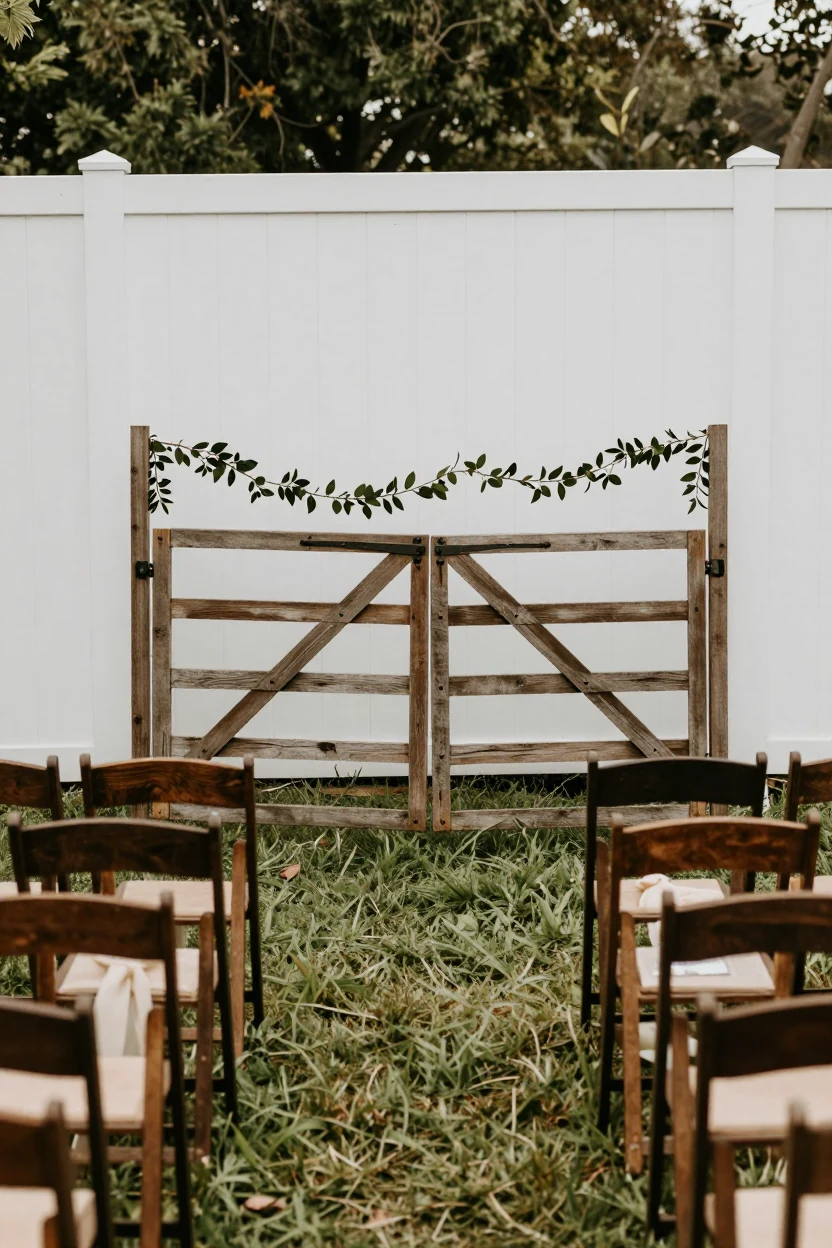
Lean a weathered wooden farm gate against the backyard fence line to create a textured backdrop for the ceremony area. This simple move hides uneven terrain while adding immediate character without expensive custom structures. Position mismatched wooden chairs in front of the gate, rather than behind it, so the vertical slats frame the couple. The rough wood grain contrasts beautifully with softer elements like linen-draped chairs or fresh greenery. Use this setup as a visual anchor that grounds the aesthetic in an agricultural style. For lighting, drape battery-operated fairy lights over the top rail to avoid electrical hazards. Keep the aisle clear by placing only low-profile potted plants on either side of the walkway. This approach transforms a functional boundary into a decorative feature, offering a grounded look that feels curated rather than cluttered.
7. Mason Jar Candle Aisle Markers
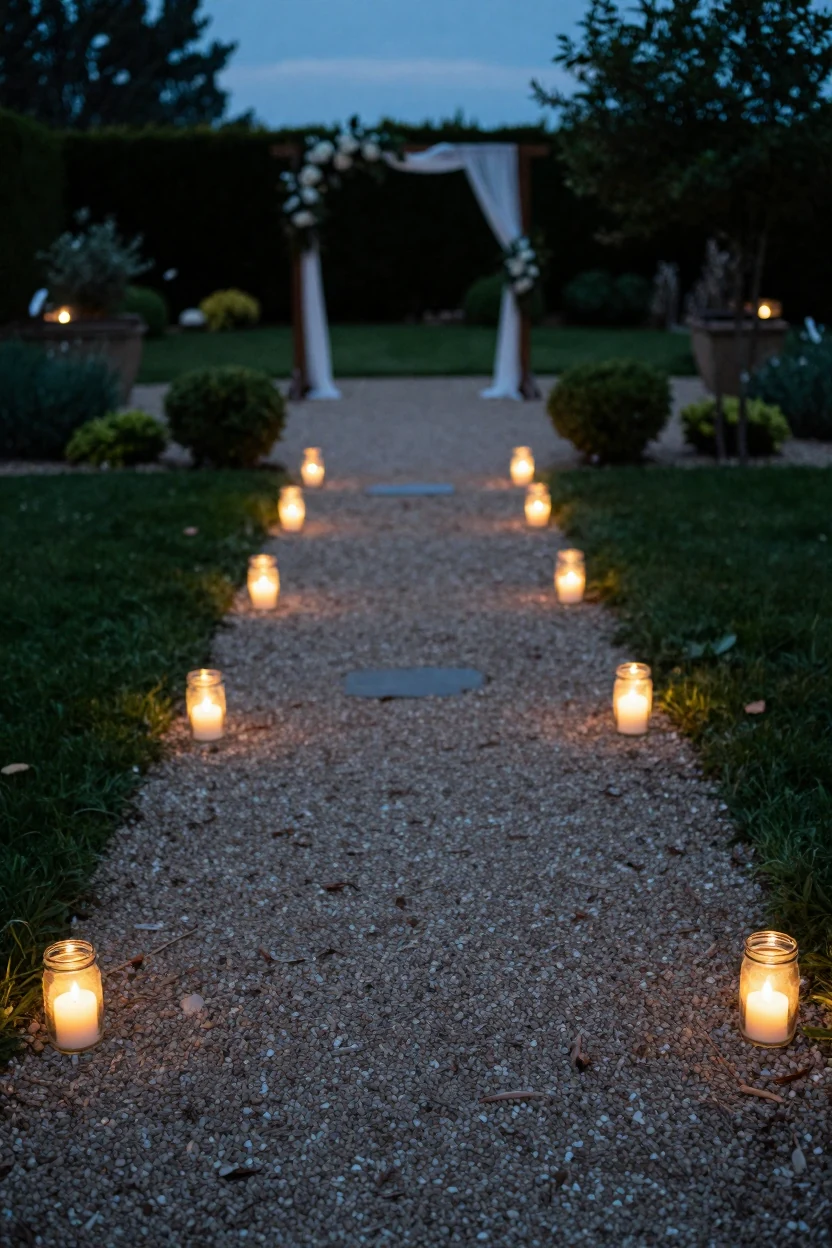
Transform a standard garden path into a guided entryway using white mason jars filled with LED tea lights. This setup provides essential safety for evening arrivals while creating a soft, ambient glow that feels curated rather than cluttered. Keep the jars clean and unadorned to maintain a crisp, modern aesthetic that complements natural surroundings without overwhelming them. Space the jars evenly along the edges of the walking path from the parking area to the ceremony site, ensuring they do not obstruct foot traffic or emergency exits. The light should be warm and subtle, mimicking flame without the heat or fire risk. This approach works well for casual backyard weddings where guests need clear navigation after sunset. For a variation, alternate jar sizes slightly to add visual rhythm, or place them in shallow wooden crates if the ground is uneven. Focus on consistency in spacing and light color temperature to ensure the path looks intentional and polished.
8. Vintage Ladder Photo Station
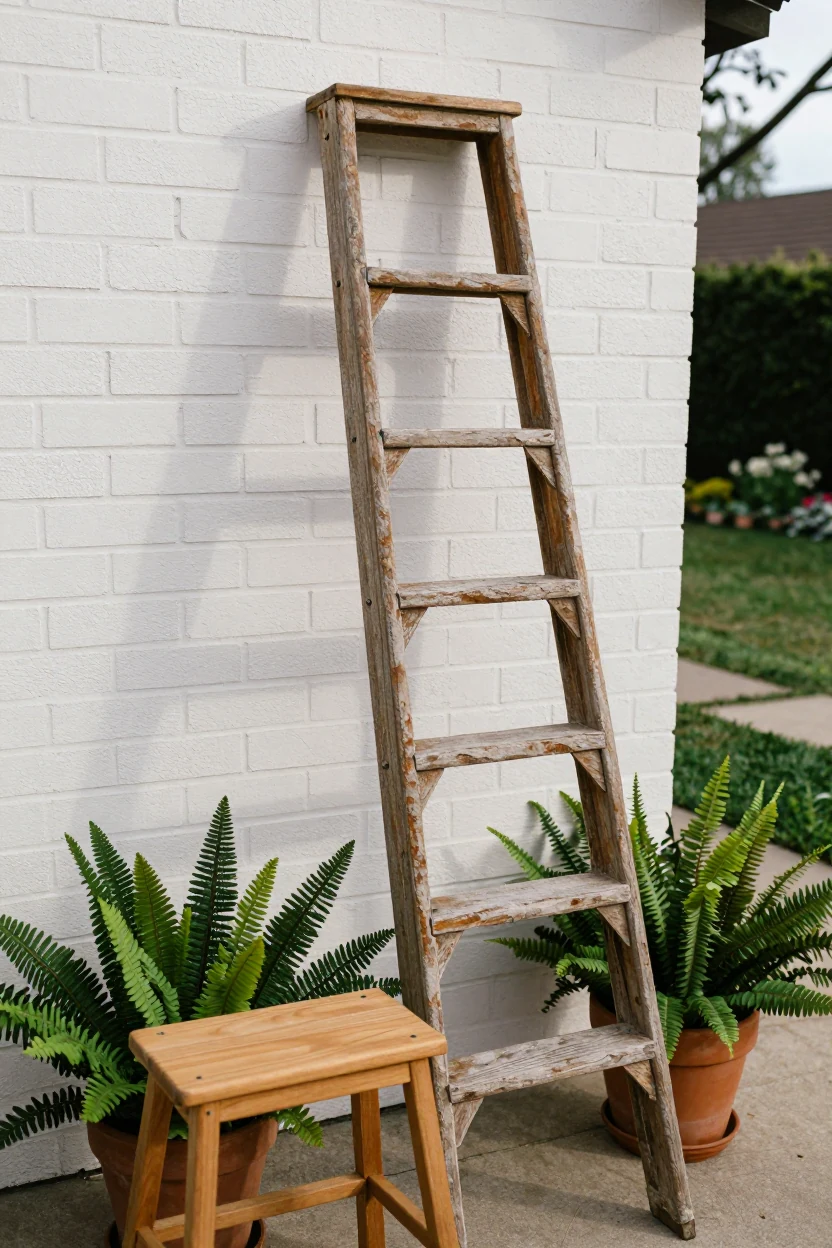
Transform a plain fence line or blank exterior wall into an engaging guest activity corner by leaning a tall, distressed wooden ladder against the surface. The weathered timber adds rustic texture that complements natural backyard settings without requiring permanent installation. Place a sturdy step stool directly in front of the ladder’s lower rungs to provide a comfortable seating option for guests posing with their phones. Anchor the base with two or three medium-sized potted plants, such as ferns or small palms, to soften the transition between the wood and the ground. This setup encourages candid photography during cocktail hour, capturing natural interactions without formal posing. Keep the surrounding area clear to maintain safe circulation for guests moving between dining and dance areas. The visual contrast of aged wood against green foliage creates a photogenic backdrop that feels intentional yet relaxed.
9. Linen Draped Folding Chairs
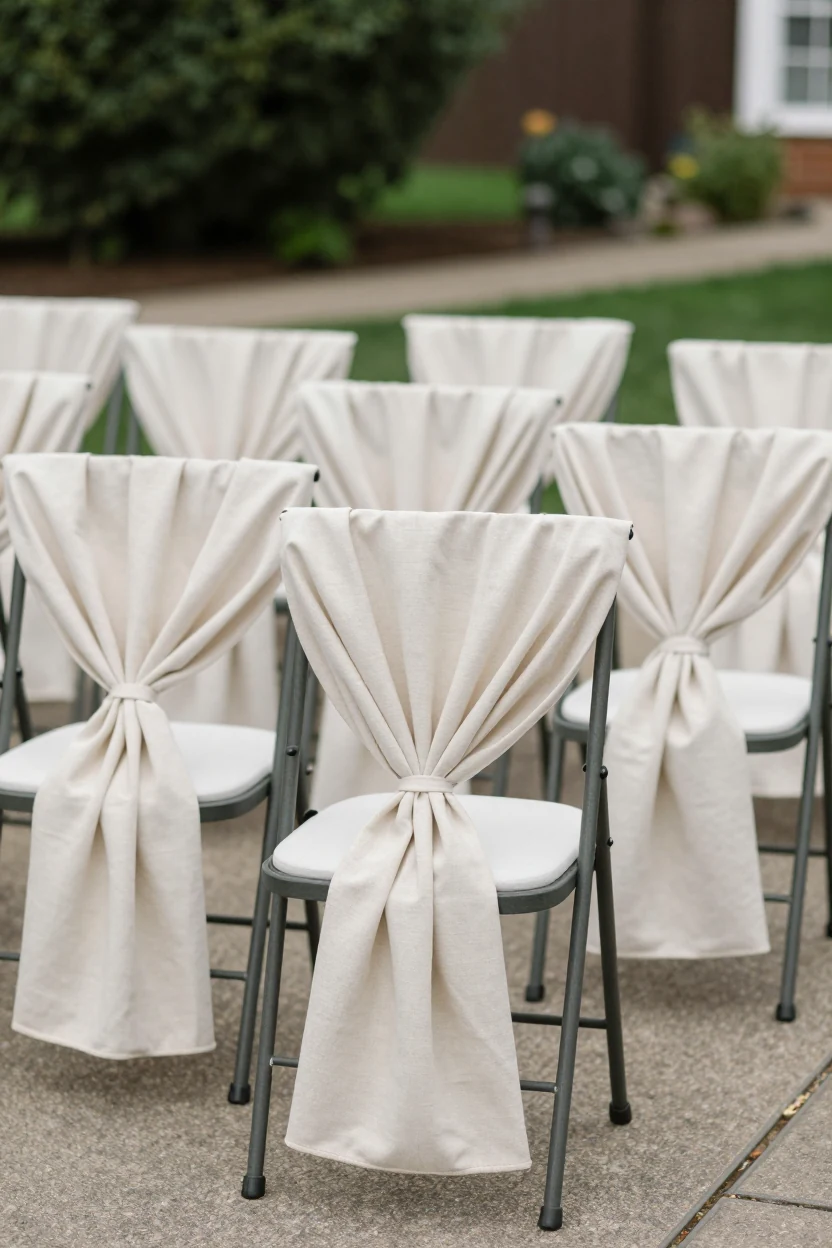
Standard folding chairs often feel temporary, but draping them with fabric transforms them into cohesive ceremony seating without replacing the hardware. Cut large squares of ivory or blush linen and tie them securely at the back of each chair to cover the metal frame. This creates a uniform, textured row that looks tailored rather than rented. The lightweight fabric moves slightly in the breeze, adding softness to the rigid structure. Keep the ties consistent in height to maintain a clean horizontal line across the aisle. This method works well for both ceremony and reception seating if you want a unified look. It is a low-cost way to add color and texture while hiding less attractive furniture. Ensure the fabric does not drag on the ground or create tripping hazards, and check that it does not obstruct guest sightlines during the ceremony.
10. Grass-Friendly Biodegradable Plates
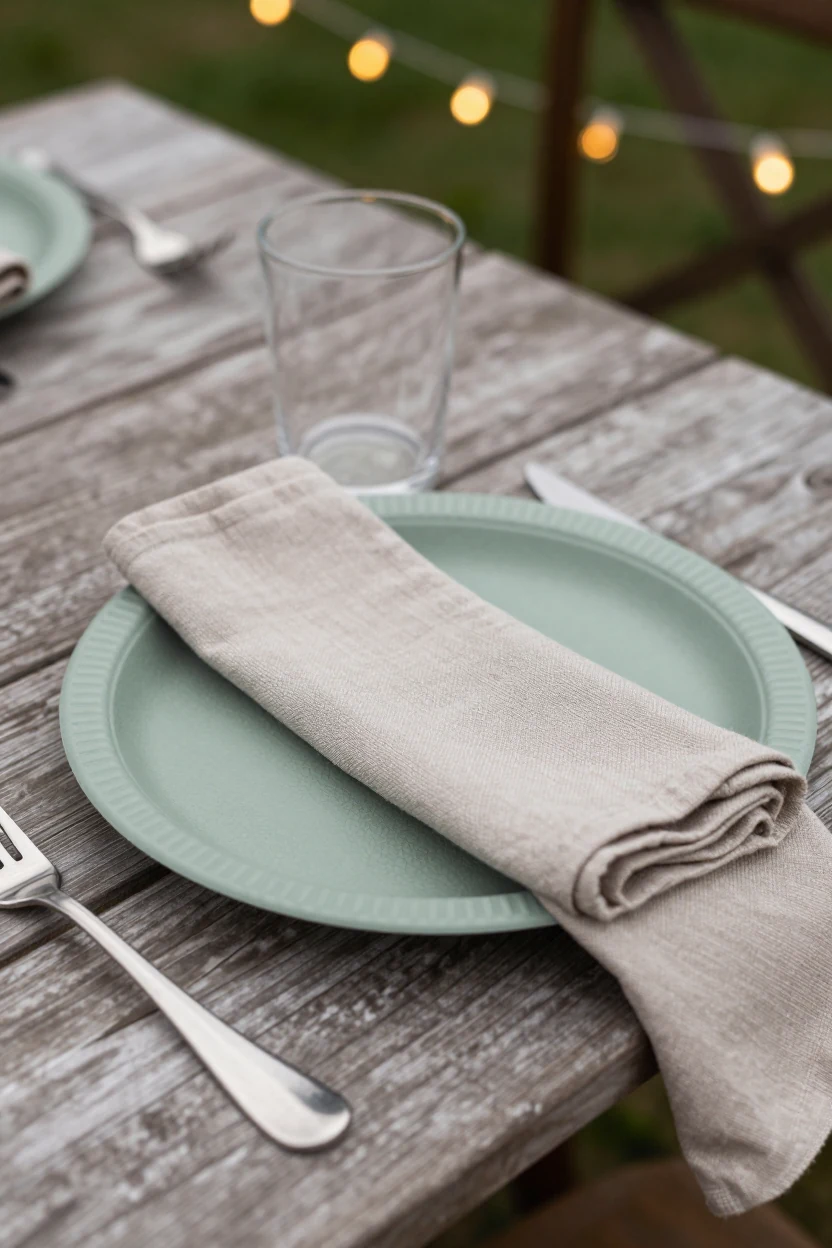
Swap standard disposable ware for heavy-duty biodegradable plates in earthy tones or subtle patterns to maintain a polished aesthetic without increasing waste. These sturdy items withstand real dining service while looking intentional rather than temporary. Pair them with folded cloth napkins in a complementary neutral shade to add tactile depth and visual weight to the place setting. The contrast between the matte, textured plate surface and the smooth fabric creates a layered look that feels curated and thoughtful. This setup works well on simple wooden tables or rustic farmhouse planks, grounding the meal service in natural materials. Choose plates with a slight rim to contain food and maintain structure during the reception. By focusing on quality paper goods that mimic ceramic or stoneware finishes, you signal care and consideration to guests. This approach proves that budget-friendly choices do not require sacrificing visual sophistication or dining comfort. It is a practical way to reduce post-wedding cleanup and landfill impact while keeping the tablescape cohesive and elegant.
11. Shaded Reading Nook with Hammocks
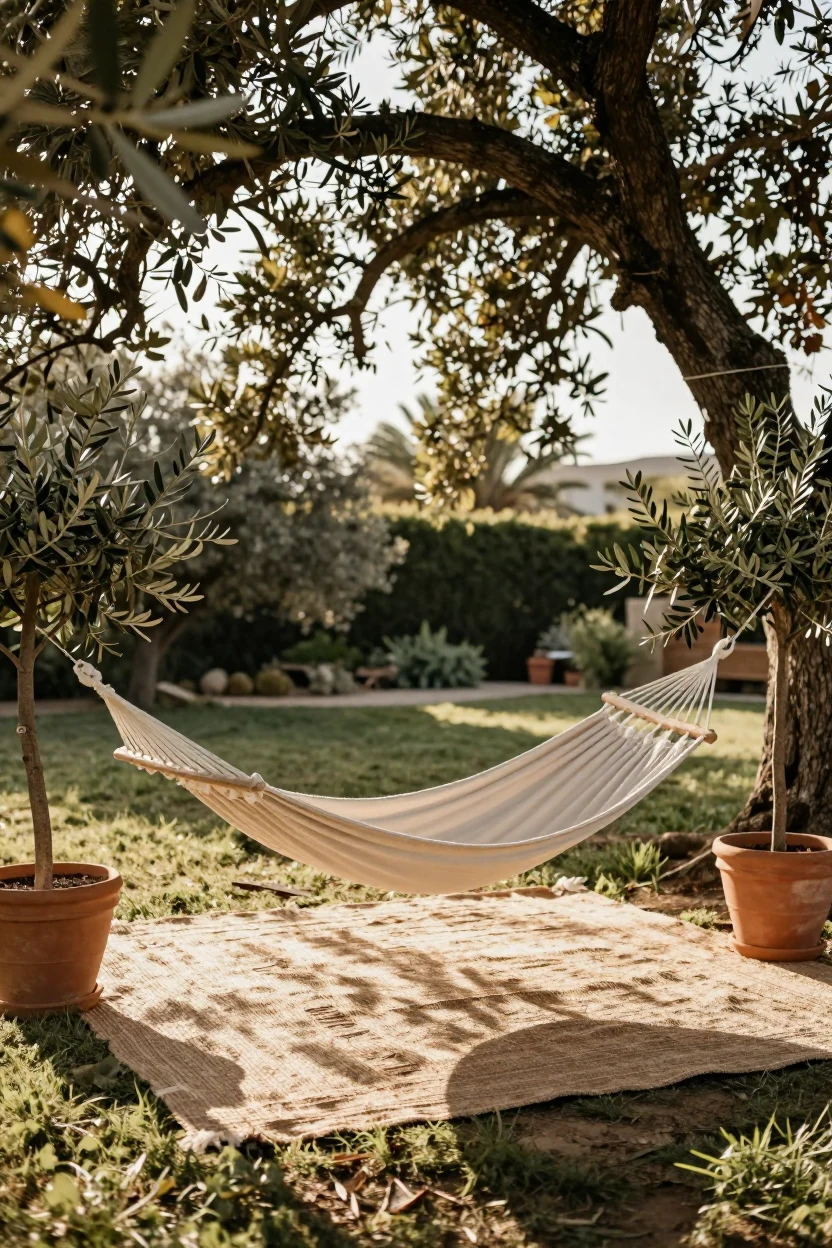
Tuck a quiet retreat into the corner of your backyard by hanging two or three sturdy cotton hammocks between mature tree trunks. This setup creates a dedicated lounge area for guests who prefer conversation over dancing, adding variety to your reception layout. Drape a large, soft jute rug beneath the hammocks to define the space and provide a comfortable landing spot for feet. Surround the perimeter with potted olive trees or trailing pothos plants to add texture without blocking sightlines to the main event. Keep the color palette neutral with natural linens, sage greenery, and weathered wood tones to ensure the area feels cohesive rather than like an afterthought. This guest-focused addition is low-cost because it relies on existing trees and simple textiles rather than elaborate structures. Ensure the hammocks are anchored securely to prevent swaying, and keep the path to this nook clear of trip hazards so guests can move safely between the party and their quiet spot.
12. Concrete Paver Dance Floor
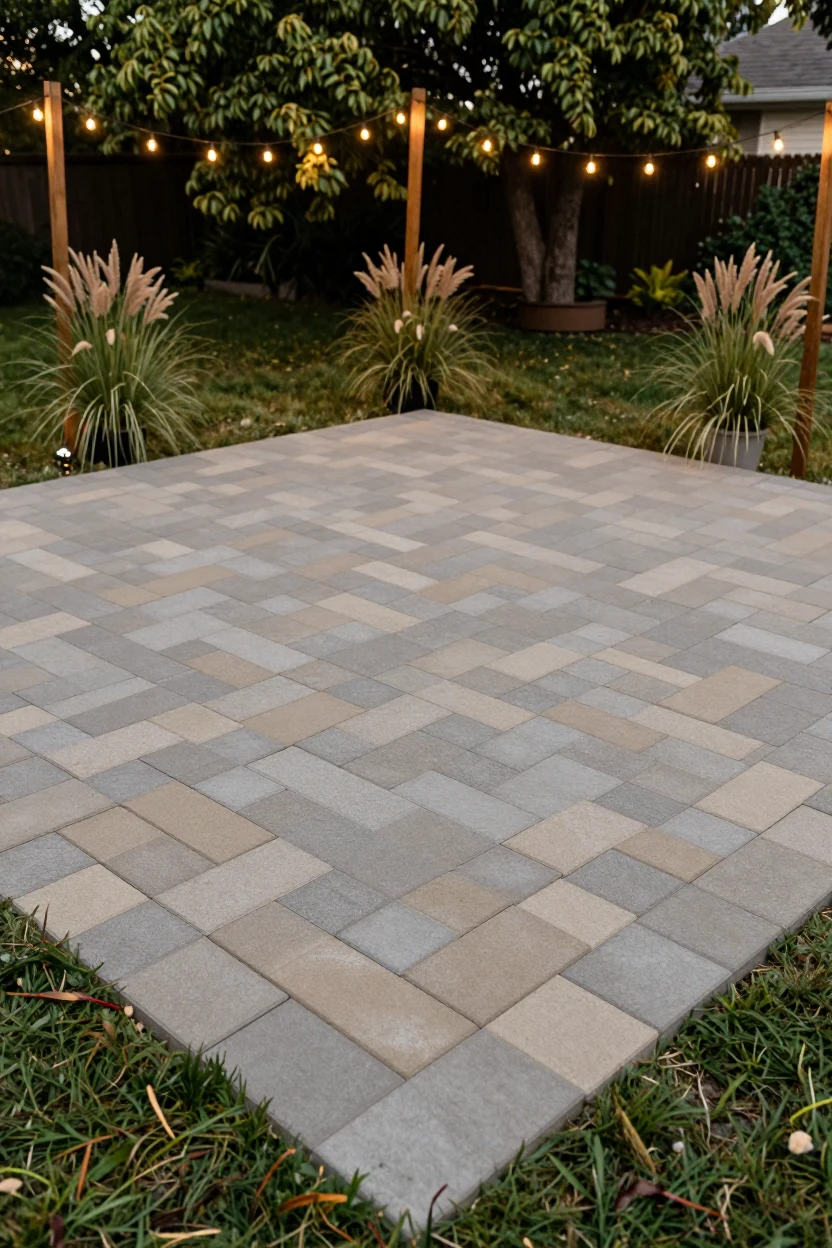
Transform a patch of uneven lawn into a durable, slip-resistant dance floor by laying interlocking concrete pavers in a herringbone pattern. This practical solution protects the grass from high-impact dancing while providing a stable surface for guests wearing heels or boots. Frame the rectangular paver area with low, unlit string lights strung between short wooden stakes to define the boundaries without obstructing sightlines. Surround the perimeter with clusters of potted ornamental grasses or low shrubs to soften the hard edges and blend the structure into the garden landscape. The neutral gray or beige tone of the pavers complements most wedding palettes, from rustic earth tones to modern neutrals. Because the pieces are modular, you can expand or contract the dance zone based on guest count. This setup keeps shoes cleaner than grass and prevents muddy footprints in the reception area. It is a realistic, low-maintenance alternative to temporary flooring that requires professional installation or heavy machinery.
13. Local Market Floral Arrangements
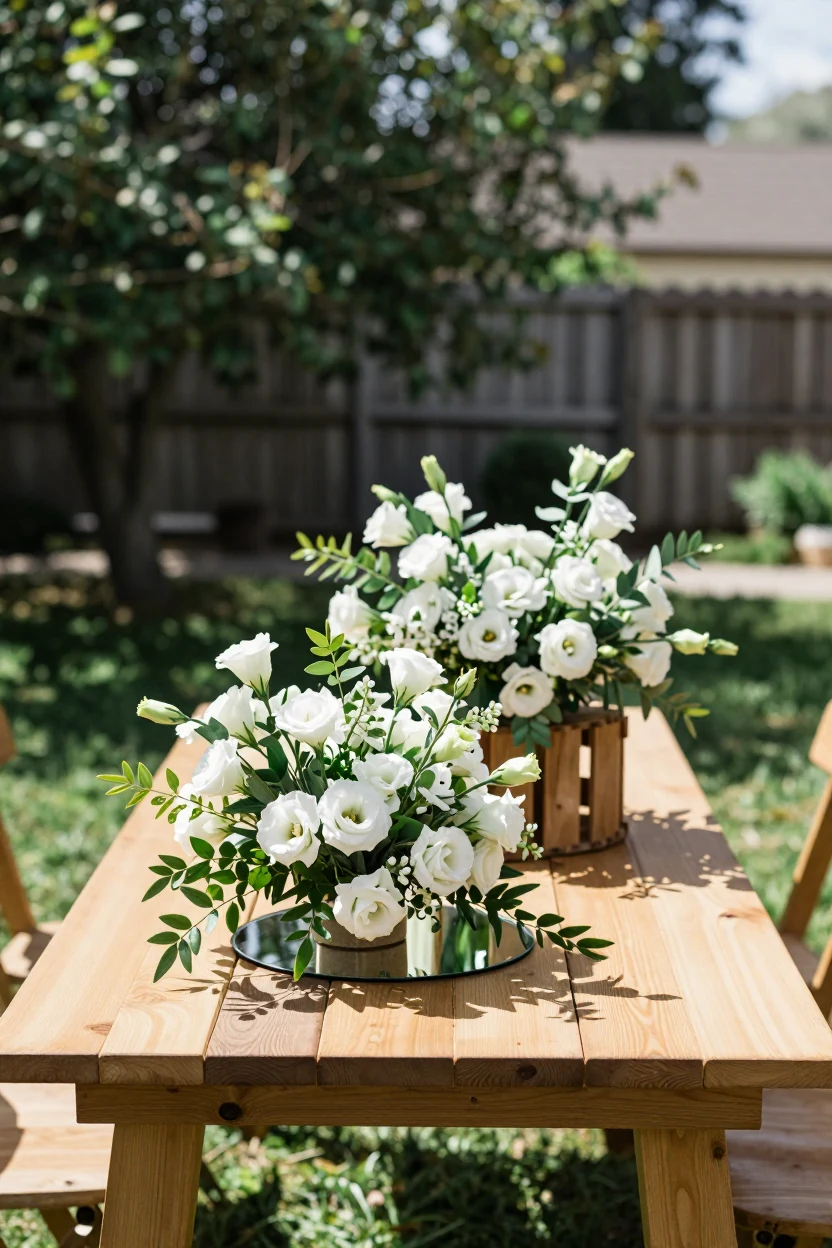
Skip the high-cost floral packages by sourcing seasonal blooms directly from local markets. Select one to two varieties, such as garden roses or lisianthus, and purchase them in bulk for a lower per-stem cost. Arrange these into loose, asymmetrical centerpieces that prioritize texture over volume. Place the arrangements on low wooden crates or mirrored trays to create height without expensive pedestals. This monochromatic approach maximizes visual impact while keeping the budget realistic. The result is fresh, vibrant florals that feel abundant and personal, distinct from preserved alternatives. Guests appreciate the local support, and the natural imperfections of hand-tied market flowers add a relaxed, authentic charm to the backyard setting. This method allows you to control quality and color palette precisely, ensuring the floral design matches your venue’s natural light.
14. Backyard Fire Pit Lounge Area
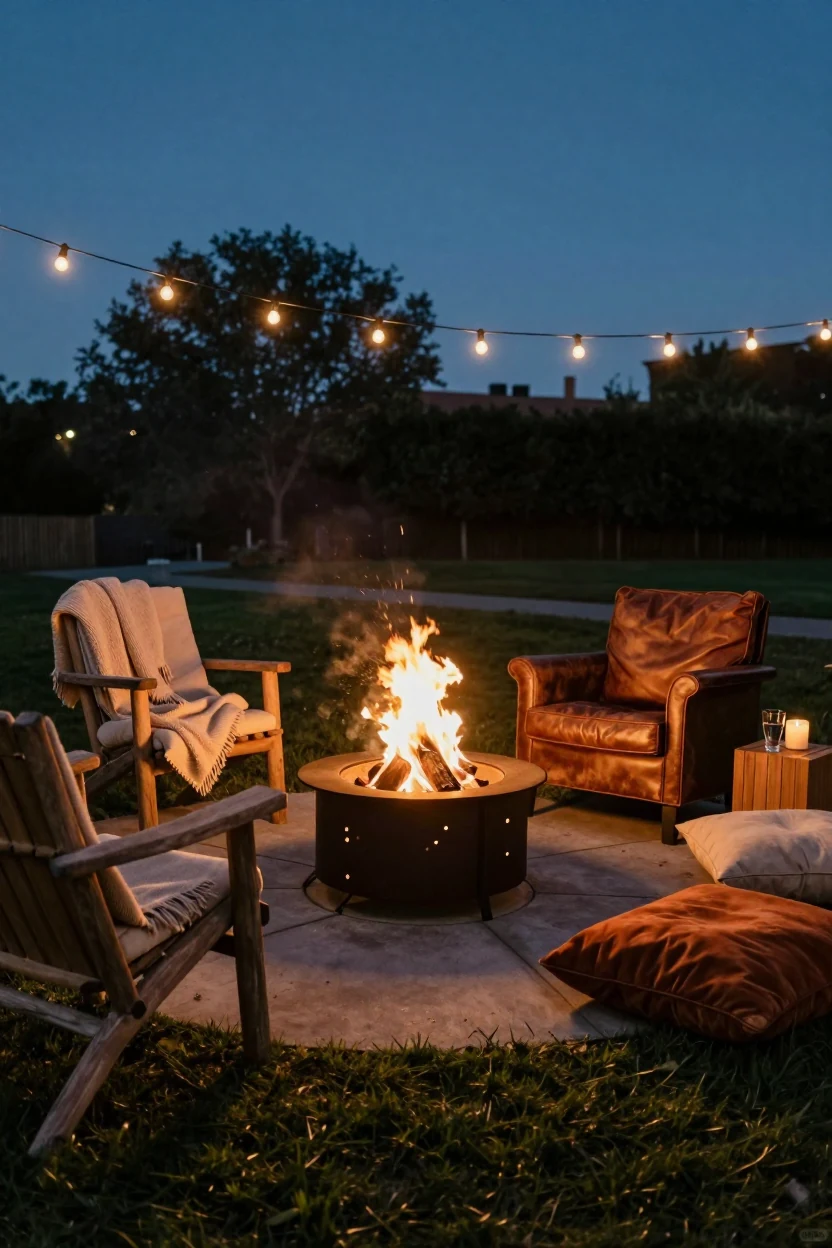
Swap the traditional dance floor for a low-key gathering zone centered around a contained fire pit. Place the ring on a heat-resistant base, such as pavers or a metal stand, to protect the lawn from scorch marks. Surround the fire source with a relaxed arrangement of mismatched outdoor seating, including Adirondack chairs, wooden benches, and floor cushions. Layer in oversized wool blankets in earthy tones like sage, terracotta, and cream to provide warmth and visual texture. String lights should drape loosely overhead, creating a soft canopy that extends the evening without blocking the sky. This setup encourages guests to linger and converse as the temperature drops. It is a practical alternative for venues where amplified music or dancing is restricted. Keep the area clear of flammable materials and ensure pathways remain open so guests can move safely between the dining area and this lounge space.
Selecting Ideas for Your Specific Venue
The best budget strategy depends on your backyard’s natural features. If you have mature trees, prioritize canopy dining and hammock lounges to leverage existing shade. For open lawns, paver circles and fire pit zones create defined spaces without permanent construction. Assess your timeline and guest count to determine if DIY elements like pallet tables or biodegradable ware are feasible. Focus on one or two high-impact changes, such as strategic lighting or a unique photo backdrop, rather than attempting every idea. This targeted approach ensures a cohesive aesthetic that feels intentional and grounded in your specific location.
