12 Natural Engagement Photo Poses to Avoid the Awkward Stiff Look
Engagement photos should feel like a glimpse into your relationship, not a rigid portrait session. The most common mistake is forcing static positions that lead to tension and awkward expressions. Instead, focus on poses that encourage movement, physical connection, and genuine interaction. These twelve ideas replace stiff standing shots with dynamic actions, such as walking toward the camera, leaning on one another, or interacting with your environment. Whether you are shooting in a city park, a grand hotel lobby, or an open field, these techniques prioritize comfort and natural light. Use them to guide your photographer and help both of you relax into the frame, resulting in images that feel candid, warm, and truly representative of who you are as a couple.
1. The Slow Walk Toward Camera
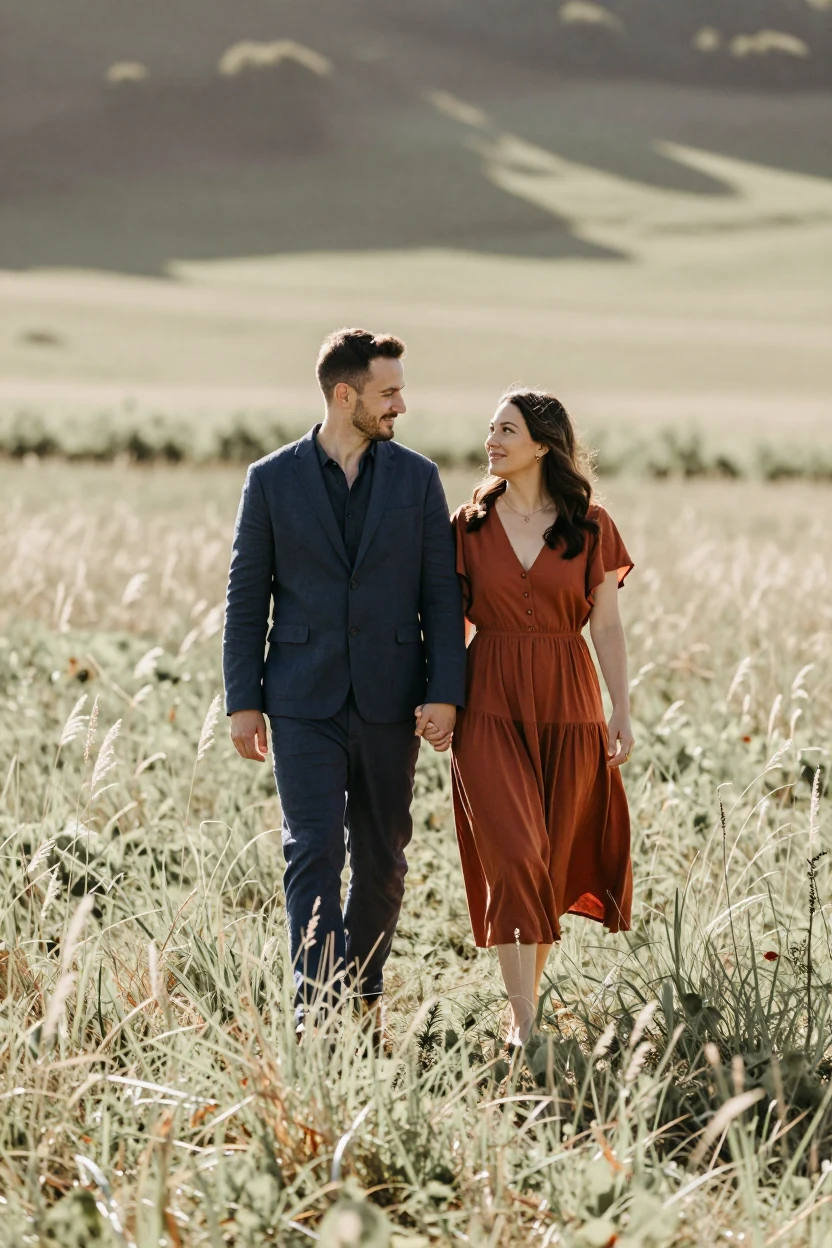
This pose captures movement rather than static positioning. Start twenty to thirty feet from the camera, facing each other, and walk slowly toward the lens. The distance allows the photographer to use a shallow depth of field, blurring the background into soft bokeh while keeping your faces sharp. As you move, fabrics like linen dresses or unstructured blazers catch the breeze, creating organic texture that stiff standing poses lack. Natural laughter often emerges during the walk, providing candid moments between structured steps. This setup works best in open fields with tall grass or long architectural hallways where leading lines guide the eye directly to the couple. Adjust the pace based on the photographer’s shutter speed; a slow, deliberate stride ensures motion blur remains subtle rather than distracting. If wind is strong, embrace it for hair movement. If the ground is uneven, keep strides short to maintain balance while keeping your gaze locked on each other.
2. The Shoulder Lean
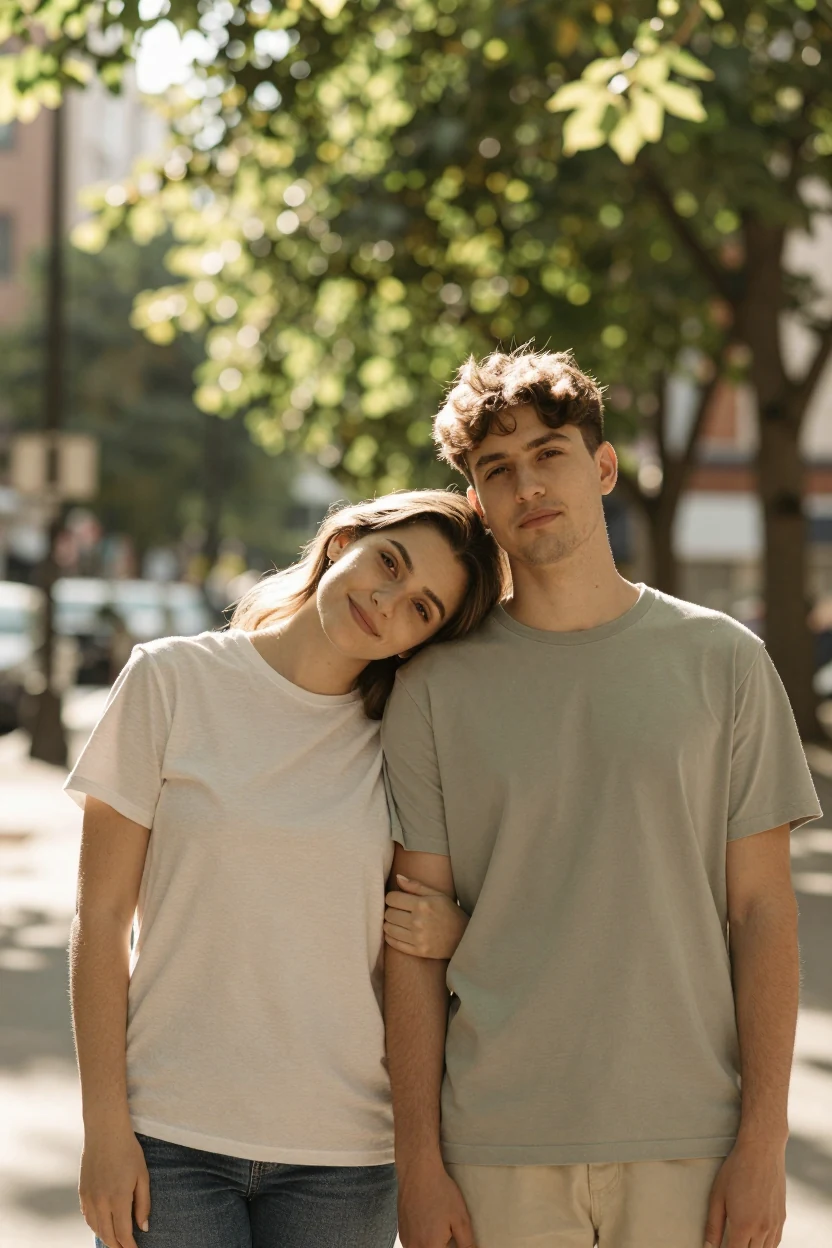
The Shoulder Lean works by creating a natural resting point that eliminates the tension of standing upright. One partner rests their head lightly on the other’s shoulder or upper arm, allowing both to relax their posture while maintaining physical connection. This pose is particularly effective in outdoor settings with soft, diffused light, such as late afternoon in a park or garden. The visual focus shifts from rigid alignment to shared comfort. To recreate this, choose a location with textured backgrounds like brick walls or leafy trees to add depth without distraction. Wear neutral tones that complement the environment, such as warm beige or soft olive. If one partner is shorter, they can lean against the taller partner’s shoulder, while equal heights work well when leaning against the upper arm. Keep expressions relaxed and natural; looking slightly off-camera often captures genuine interaction better than direct eye contact. This setup avoids the stiffness of traditional posed shots by prioritizing physical ease.
3. The Hand Hold Frame
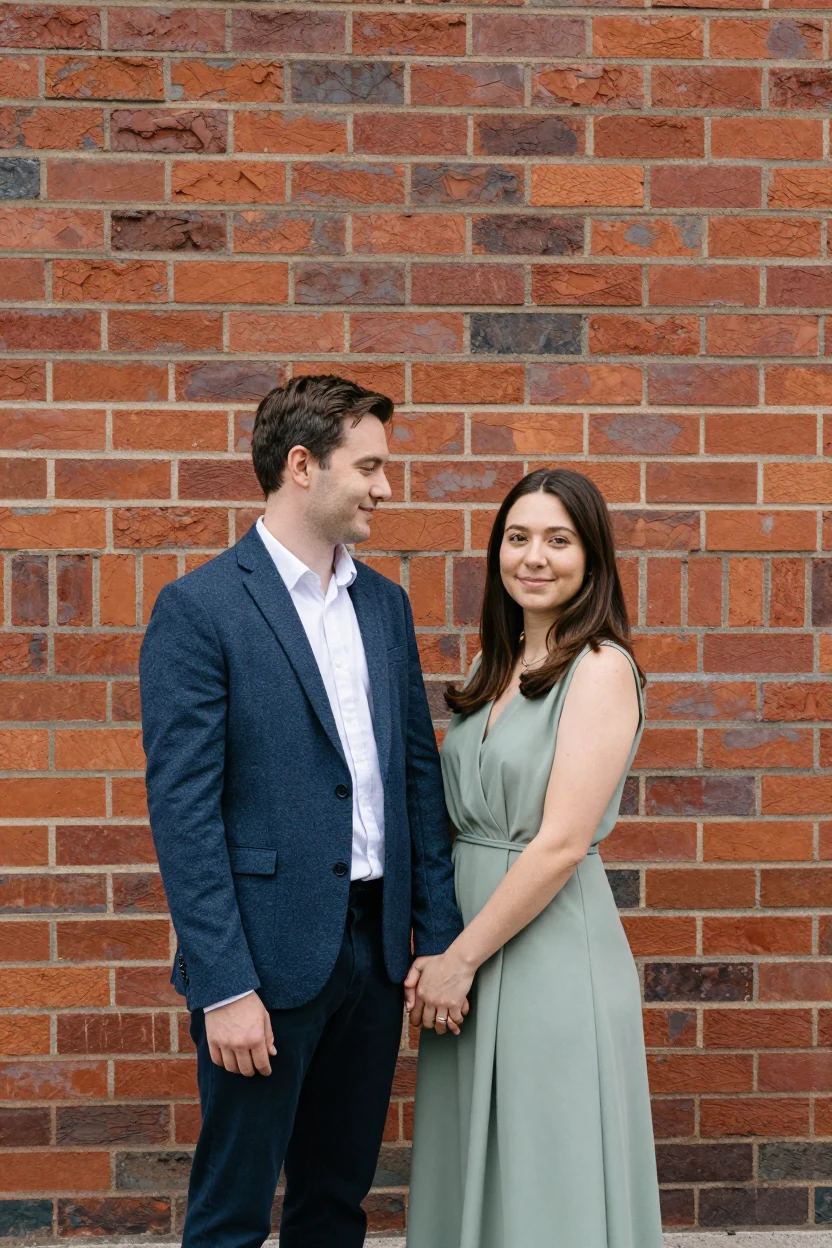
This pose transforms a simple hand hold into a visual anchor by positioning the couple’s clasped hands at chest or waist level, directly in front of their torsos. The bodies stand close but relaxed, using the hands as the primary focal point to draw the eye toward engagement rings while allowing the rest of the frame to breathe. It works particularly well against textured urban backdrops like brick walls or weathered wood, where the clean line of the grip contrasts with the busy background. For a natural look, keep elbows slightly bent and shoulders dropped to avoid tension. The composition should feel candid rather than posed, capturing a moment of quiet connection. You can adapt this by adjusting the height of the hands; holding them lower creates a more casual vibe, while chest-level positioning feels slightly more formal. The background texture provides visual interest without competing with the subject, making this an effective choice for couples who want to highlight their rings without complex styling or props.
4. The Over-the-Shoulder Glance
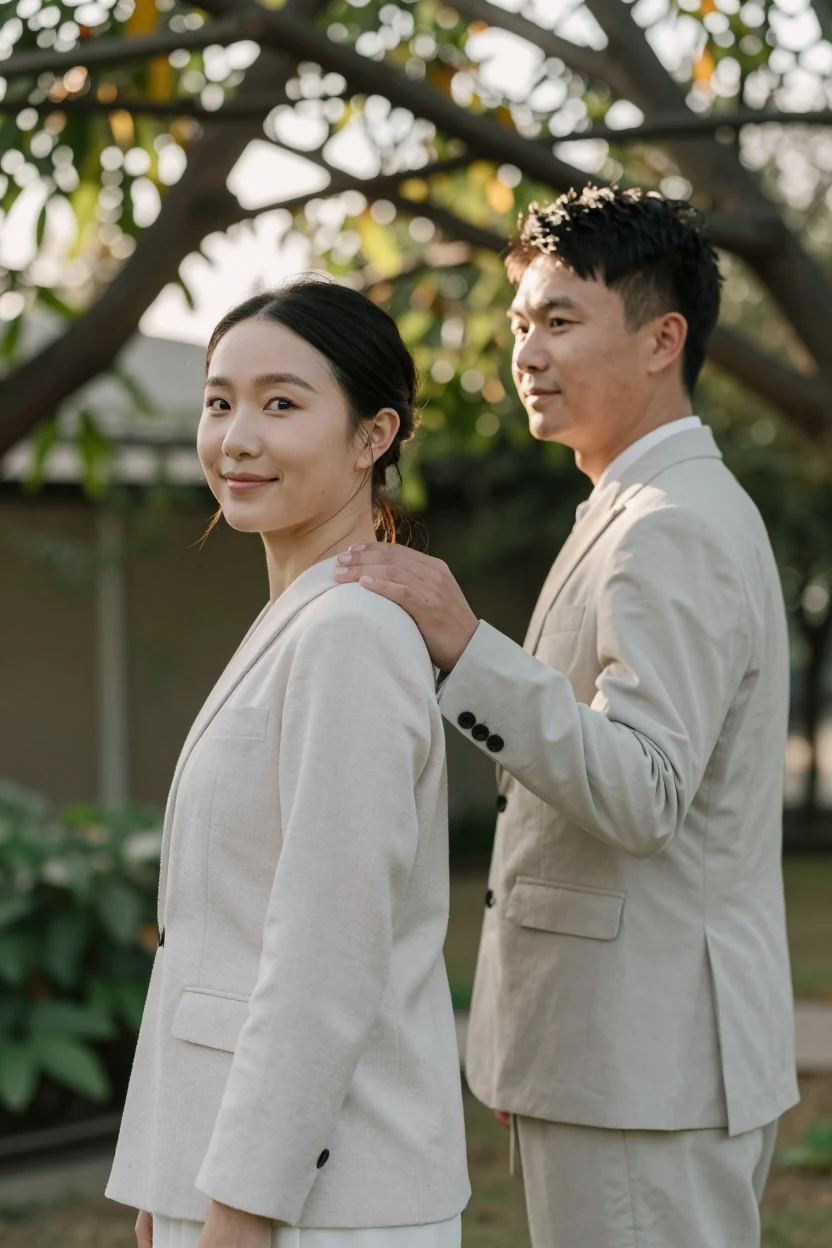
Position one partner slightly behind the other, facing away from the camera, while the front partner turns their head over their shoulder to look directly at the lens. This pose captures a candid sense of movement and intimacy without requiring full body rotation, which often leads to stiff shoulders. It works particularly well in environments with leading lines, such as tree branches, fence posts, or garden paths, adding depth to the composition. The rear partner can hold a hand on the front partner’s waist or simply stand close, creating a connected silhouette. For best results, ask the photographer to shoot from slightly above eye level to emphasize the gaze and background elements. This pose is ideal for outdoor sessions where natural light highlights facial features while keeping the background softly blurred. Adapt this look by choosing clothing with contrasting textures, like a linen shirt against a silk dress, to add visual interest without distracting from the connection. It is a versatile option for couples who feel self-conscious about traditional posing styles.
5. The Staircase Ascend
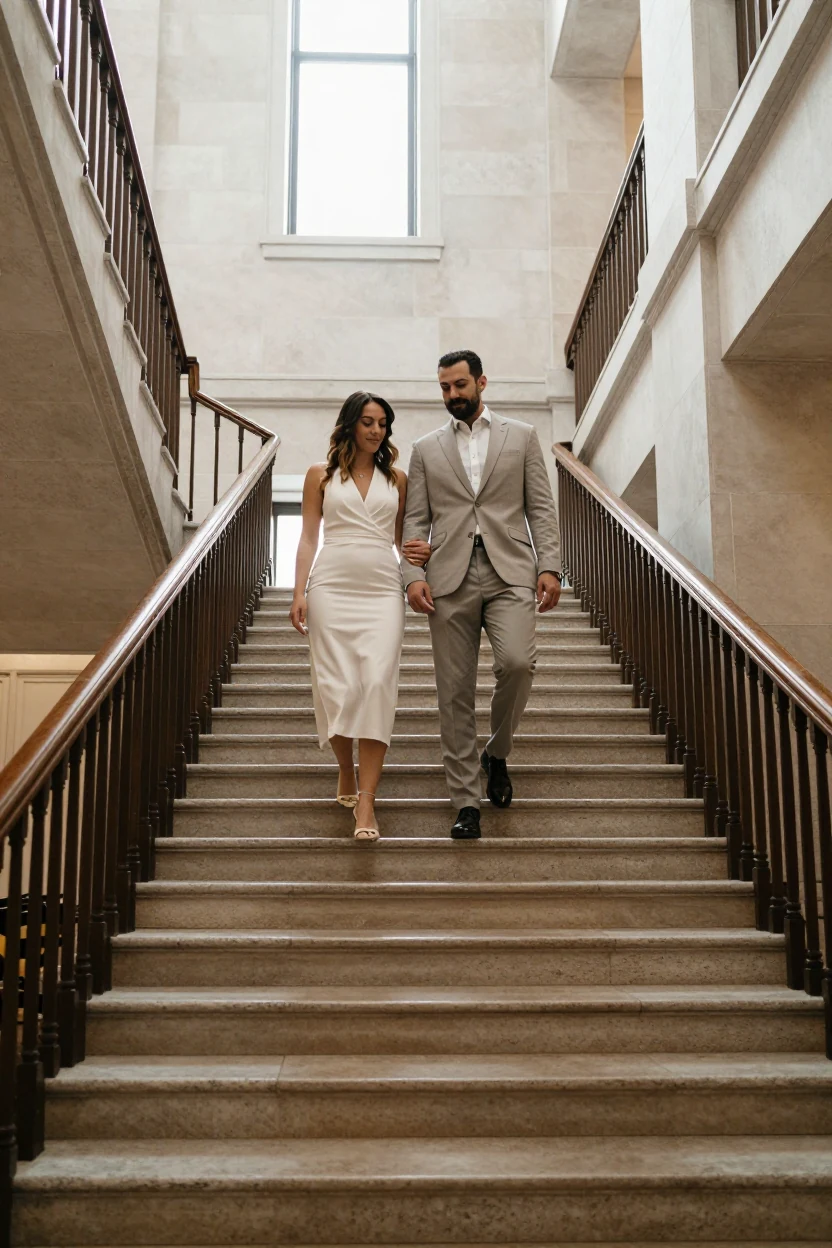
This pose utilizes vertical architecture to create a dynamic sense of movement and connection. On a wide, open staircase, one partner ascends slowly while the other follows slightly behind, maintaining eye contact or a gentle smile. The photographer captures this from a lower angle, looking up to emphasize the height of the steps and frame the couple’s faces against the background. This composition guides the viewer's eye upward, creating a natural leading line that feels active rather than static. It works well in venues with grand entryways, hotel lobbies, or historic buildings where the stairwell offers clean lines and interesting textures like stone, wood, or wrought iron. The staggered positioning prevents both subjects from being hidden behind one another, allowing their individual expressions to be visible while still emphasizing their partnership. For best results, keep the background relatively simple to avoid visual clutter competing with the upward trajectory of the pose.
6. The Low Angle Eye Level
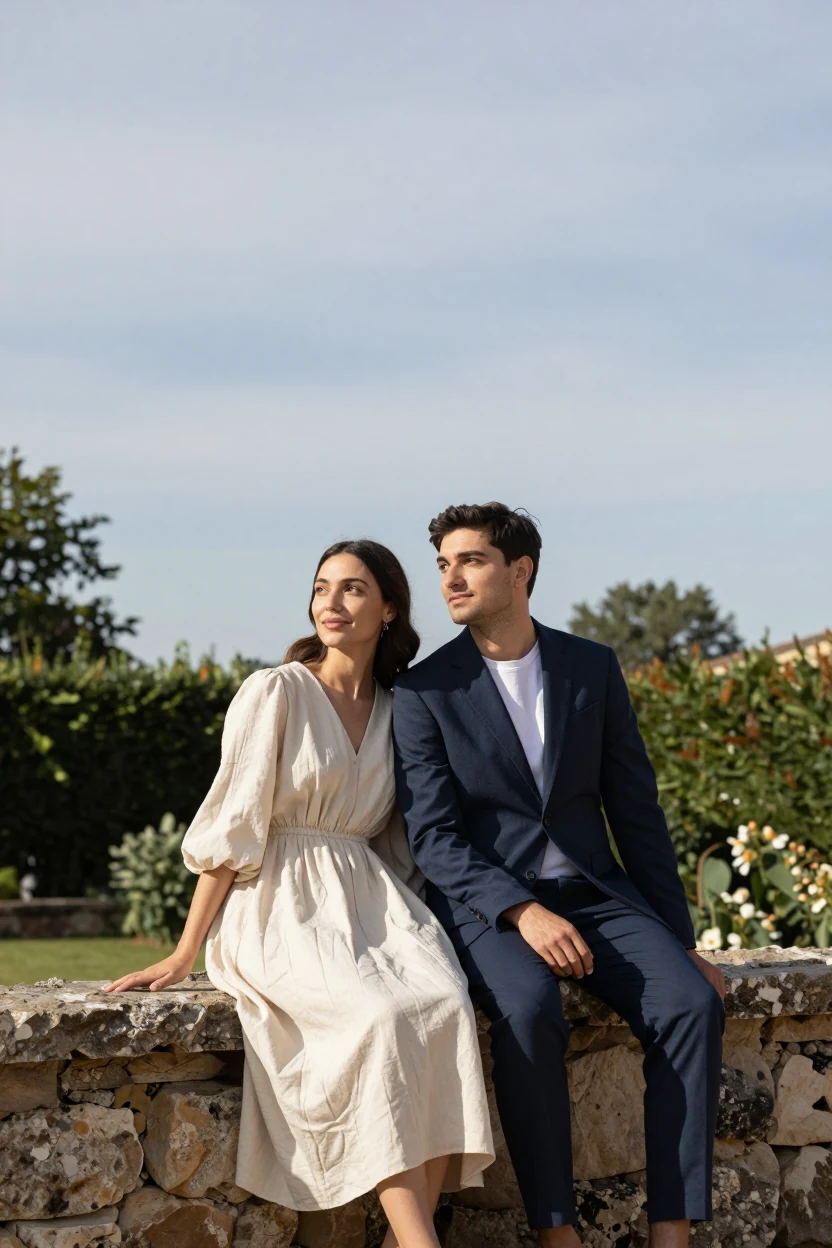
Position yourselves on a low bench, stone ledge, or grassy slope so the camera sits at or slightly below your eye level. This grounded perspective minimizes facial distortion and allows the sky or a high ceiling to fill the upper frame, emphasizing your presence without forcing an unnatural stand-up posture. Sit side-by-side with relaxed shoulders, leaning slightly toward one another rather than rigidly upright. Keep hands resting naturally on laps or knees, avoiding stiff interlocking. This angle works best in open outdoor settings or under expansive architectural structures where vertical space is abundant. The low vantage point elongates legs and frames the couple against broad backgrounds like open fields or high archways. Adapt this by choosing locations with clear sightlines above you, ensuring the photographer can capture the full context without obstruction. It creates a confident, grounded aesthetic that contrasts with typical eye-level shots.
7. The Wind Hair Moment
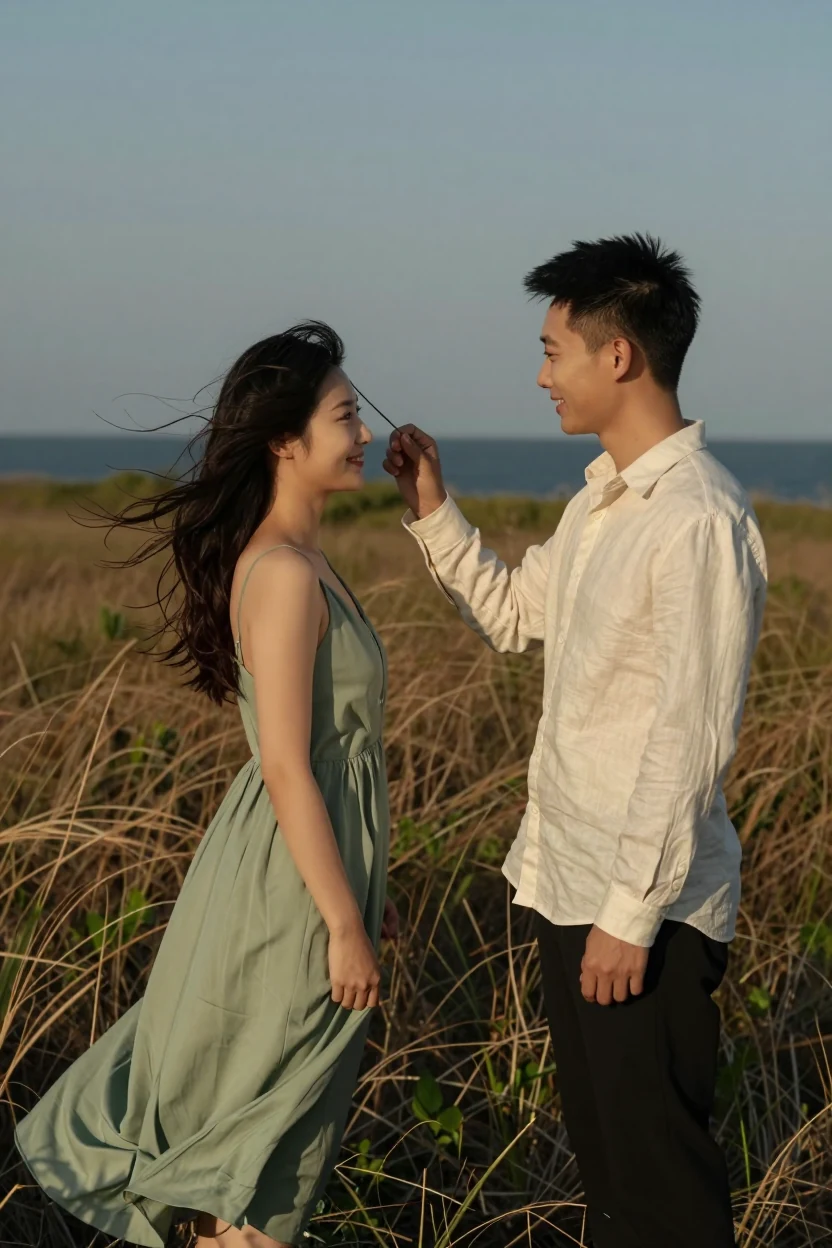
This pose captures spontaneous movement rather than a static hold. It works best in coastal or open field settings where consistent breezes naturally lift hair and fabric. Instead of freezing the moment, have one partner playfully push hair aside or adjust a jacket while the other laughs. The photographer should use a slightly slower shutter speed to blur the moving strands, creating a sense of energy. For styling, choose lightweight linen shirts or flowy dresses that react visibly to the wind. Earth tones like sage green, cream, and rust complement natural backgrounds without competing with the motion. This approach avoids stiff, posed looks by focusing on interaction. If wind is inconsistent, use a handheld fan behind the subjects to create gentle movement for the photographer to catch. The result feels candid and alive, perfect for saving as a main feature shot.
8. The Silhouette Backdrop
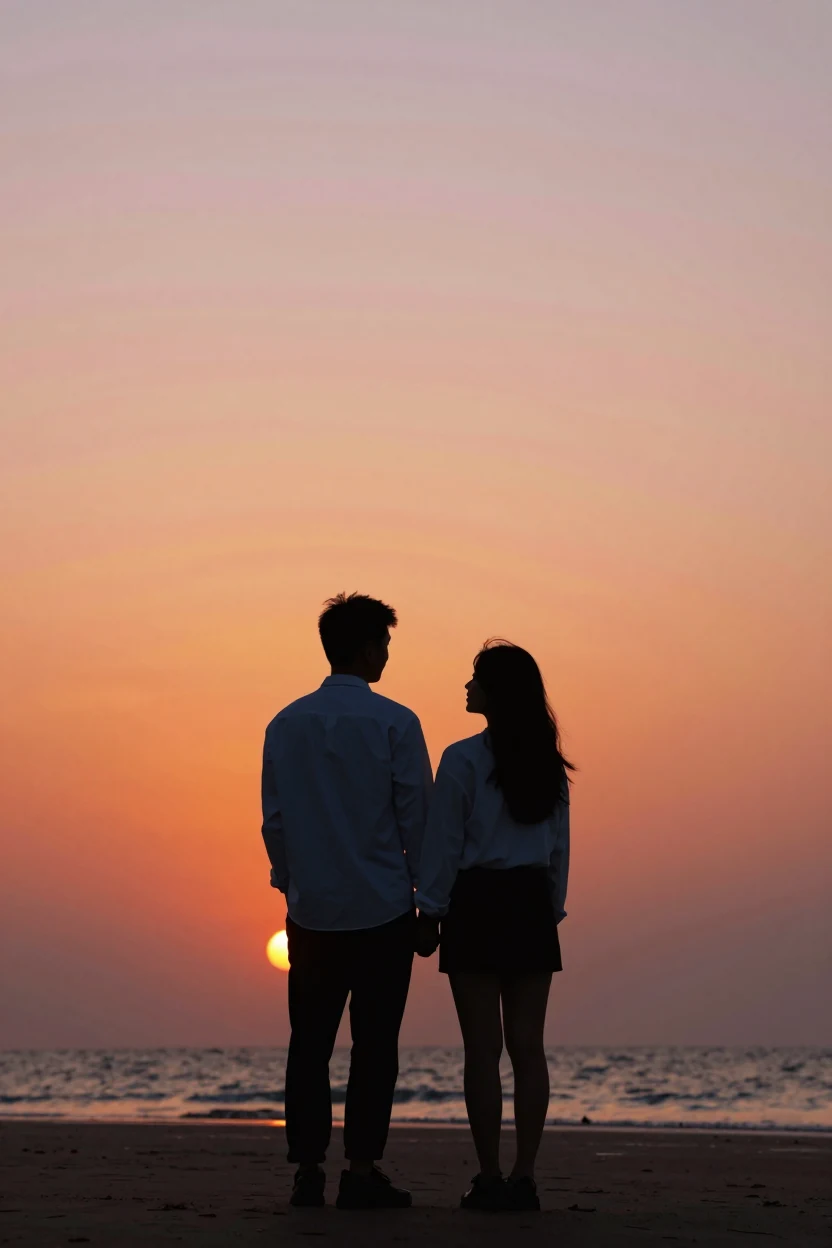
Position yourselves against a bright sunset, moon, or large light source to create a strong silhouette. This technique obscures facial features, shifting focus to body language and posture rather than expressions. It works best during golden hour or blue hour when the contrast between subject and background is highest. Stand close together, holding hands or embracing, allowing the outline of your bodies to form a clear shape against the light. The photographer will expose for the bright background, rendering you as dark figures. This removes pressure to smile perfectly or maintain eye contact with the lens. Choose a location with an unobstructed horizon, such as a beach, hilltop, or open field, to ensure a clean backdrop. Wear simple, solid-colored clothing that contrasts with the sky to enhance the outline. This pose captures the emotional connection through posture, offering a timeless and artistic alternative to traditional headshots. It is a reliable method for achieving striking results without requiring specific posing skills or elaborate props.
9. The Prop Interaction
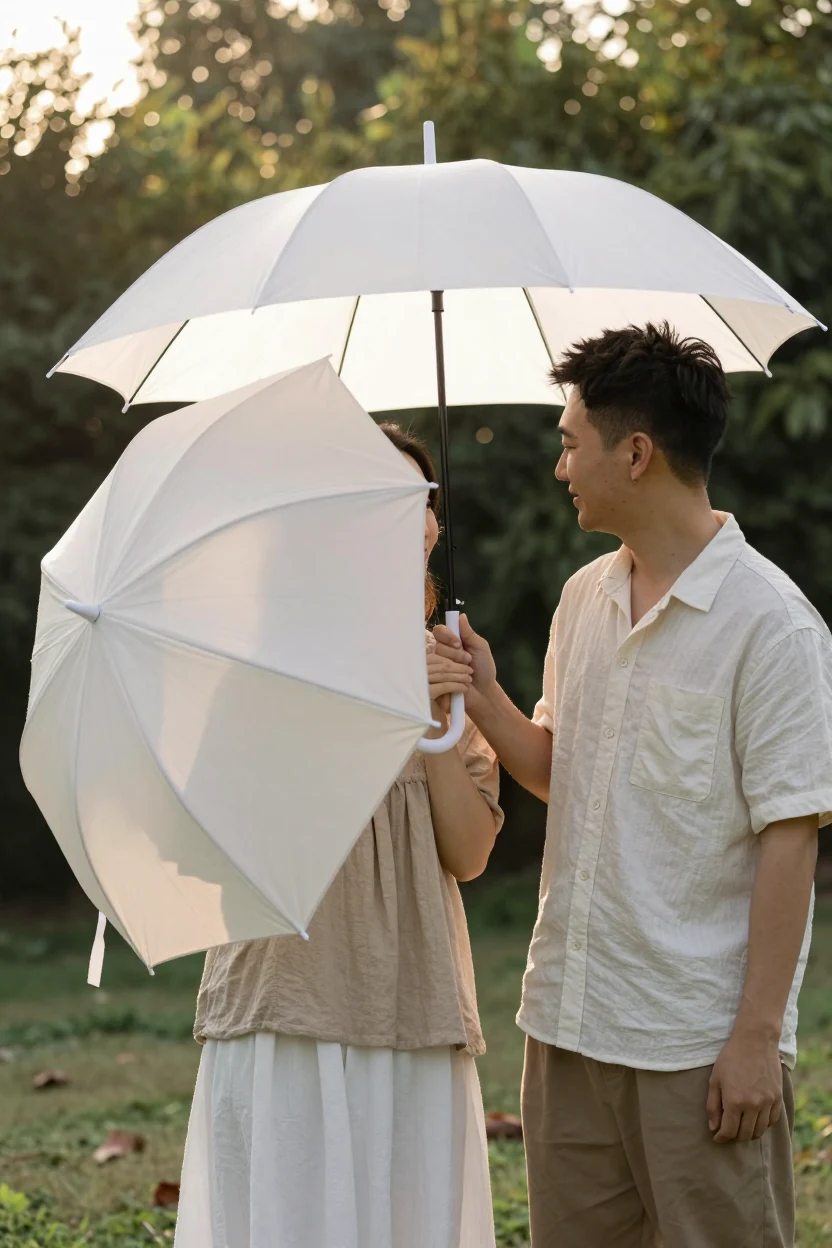
Break the tension of formal posing by introducing a simple, handheld prop that encourages playful interaction rather than static holding. Instead of gripping a bouquet rigidly, one partner can peek out from behind an open umbrella while the other looks on with a genuine smile, or they can toss a wide-brimmed hat into the air and capture the motion. This approach adds narrative depth and humor to the session, transforming stiff postures into candid moments of shared joy. The visual impact comes from the dynamic relationship between the couple and the object, creating a sense of spontaneity that feels authentic. Choose props that reflect your personal style, such as a vintage suitcase, a cluster of balloons, or a simple floral crown. Ensure the prop is large enough to create interesting negative space but small enough to keep the focus on your faces. This technique works best in natural light, allowing the photographer to capture the subtle shifts in expression and movement that define a relaxed engagement shoot.
10. The Close-Up Intimacy
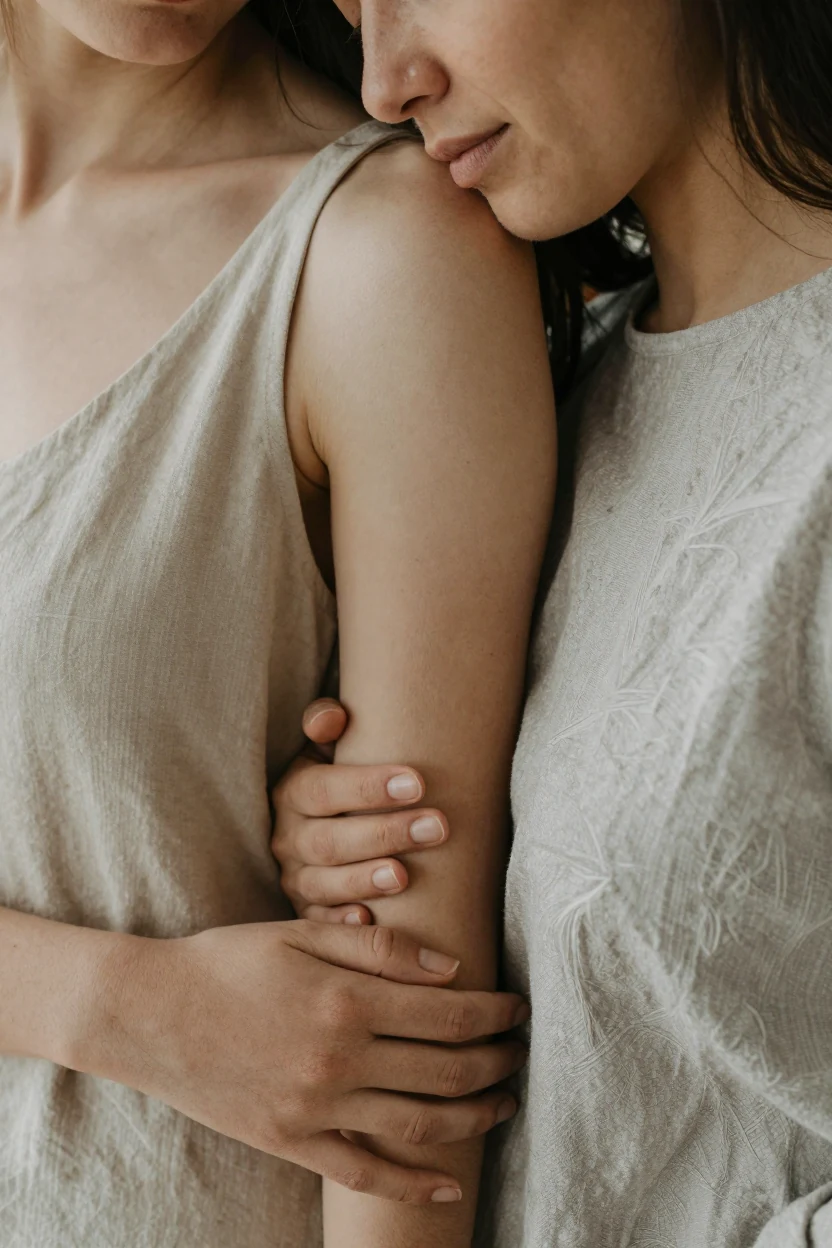
This close-up crop strips away the environment to focus entirely on connection. Frame just the shoulders, hands, and faces of the couple, eliminating wide angles that often force stiff postures. Ask the photographer to use a longer focal length, such as an 85mm lens, to compress perspective and capture subtle micro-expressions like a genuine smile or a relaxed exhale. The couple should stand close enough for their foreheads to touch or for one hand to rest naturally on the other’s wrist. This technique works in any setting, from a quiet park bench to a hotel lobby. It removes the pressure of full-body posing, allowing the subjects to relax into physical proximity. The resulting images feel candid and intimate rather than posed. Use these shots to add emotional texture between wider environmental photos. It is an effective way to capture the quiet moments of the day without requiring elaborate props or complex choreography.
11. The Leading Line Walk
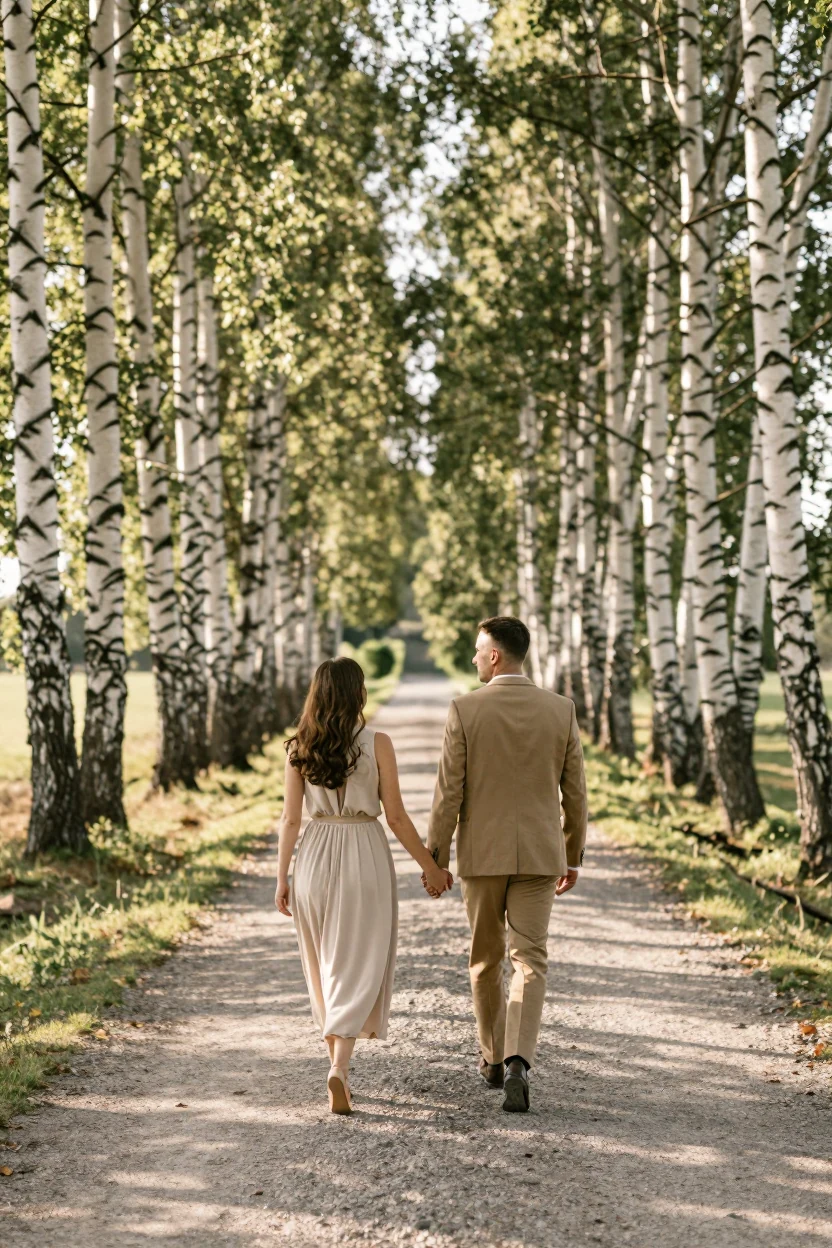
This pose leverages environmental composition to add depth and context to the photograph. Use a natural path, fence, or row of trees to create a leading line that directs the viewer’s eye toward the couple. Have them walk along this line away from the camera, capturing their backs or profiles as they move into the distance. This technique works best in outdoor settings with linear elements like gravel paths, wooden railings, or aligned hedges. The couple should maintain natural spacing, holding hands loosely or walking side by side without rigid alignment. Lighting is crucial; shoot during golden hour to cast long shadows that enhance the leading lines and create a warm, inviting atmosphere. Avoid busy backgrounds that compete with the linear perspective. This approach captures movement and narrative, showing the couple’s journey rather than just a static moment. It feels candid yet intentional, reducing stiffness by focusing on motion rather than posing. Adapt this by finding any straight path in your chosen venue, ensuring the ground is clear for safe walking. The result is a sophisticated image that emphasizes connection through shared direction.
12. The Mirror Reflection
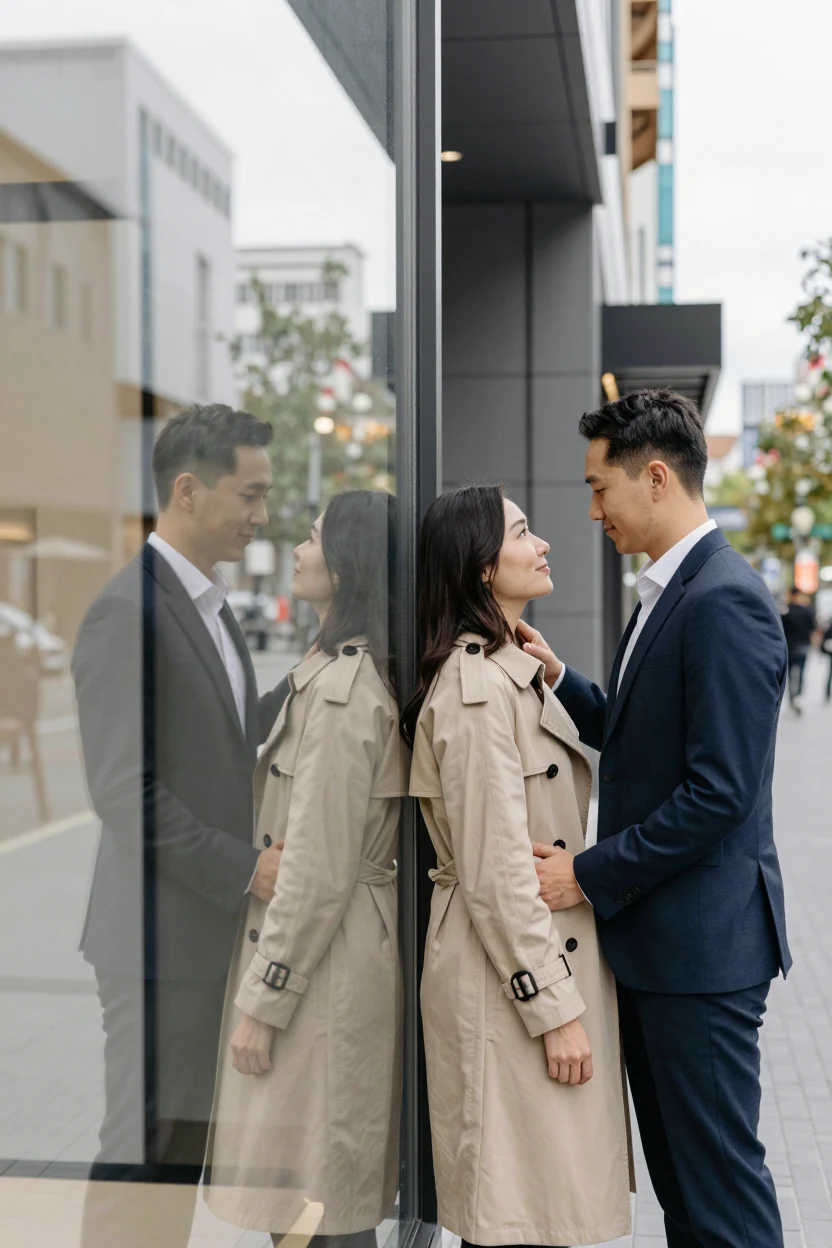
Reflective surfaces transform standard engagement portraits into layered compositions by capturing both the couple and their environment simultaneously. Position yourselves in front of a clean car window, glass storefront, or calm puddle to create a dual-image effect that adds depth without complex staging. This technique works particularly well in urban settings where architecture provides natural framing. Angle the camera slightly off-center so one partner appears fully while the other is partially reflected, creating dynamic asymmetry. The reflection softens the direct gaze, allowing for more candid expressions as you interact with the space rather than just the lens. Natural daylight enhances the clarity of the glass, ensuring the reflection remains crisp and distinct from the background. This pose encourages genuine movement, such as adjusting clothing or leaning in close, which translates into relaxed, authentic imagery. It is an accessible method to add visual intrigue to outdoor sessions without requiring specific props or elaborate lighting setups.
Choosing Your Best Engagement Poses
Select poses that match your comfort level and the specific environment of your shoot. If you are naturally expressive, try the Wind Hair Moment or Prop Interaction to capture playful energy. For quieter sessions, the Close-Up Intimacy or Shoulder Lean offers relaxed connection without demanding complex movement. Consider your venue’s architecture; staircases work well in urban settings, while open fields suit leading line walks. Mix wide environmental shots with tight close-ups to create visual variety. Ultimately, the best pose is the one that allows you to forget the camera and focus on each other.
